


Vibrant Portraits: Capturing Personalities with Bold Colors

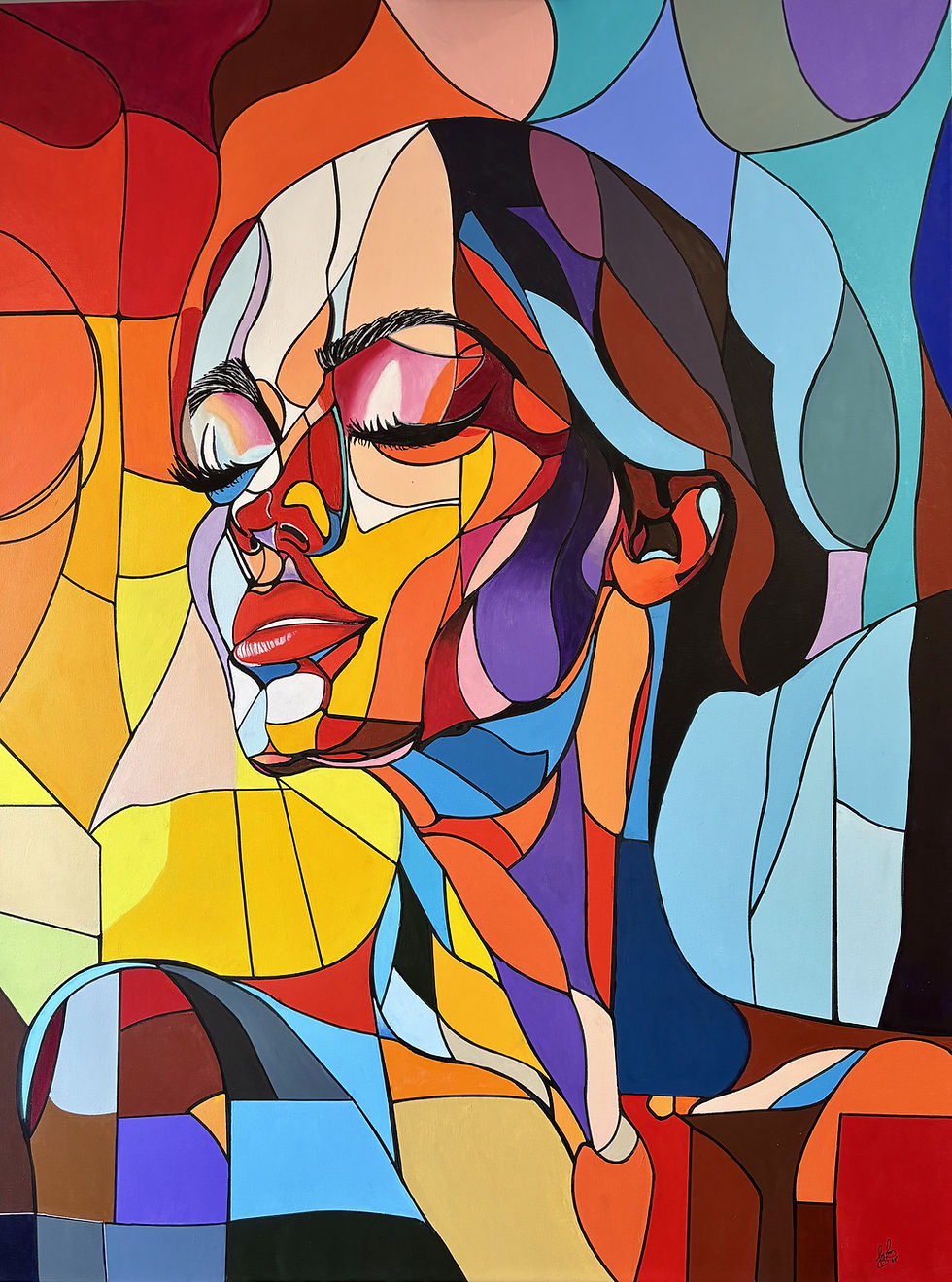
Portrait painting has long been a way to capture the essence of a person, but using bold colors takes this art form to a new level. Bold colors do more than just catch the eye—they reveal emotions, highlight personality traits, and create a dynamic connection between the subject and the viewer. This post explores how artists use vivid hues to bring portraits to life, practical tips for working with bold colors, and examples that illustrate the power of this approach.

How Bold Colors Change the Portrait Experience
Traditional portraits often rely on naturalistic tones to represent skin, hair, and clothing. While this approach captures likeness, it can sometimes miss the deeper emotional or psychological layers of the subject. Bold colors break away from realism to express mood, energy, and individuality.
Emotional impact: Bright reds, deep blues, and vivid yellows evoke feelings that neutral tones cannot. For example, red can suggest passion or intensity, while blue might convey calm or melancholy.
Personality emphasis: Artists can use color choices to reflect traits like confidence, creativity, or warmth. A confident subject might be surrounded by strong, saturated colors, while a gentle personality might be shown with softer but still bold hues.
Visual focus: Bold colors draw attention to specific facial features or expressions, guiding the viewer’s eye and enhancing storytelling.
This approach invites viewers to engage with the portrait beyond surface appearance, encouraging them to feel the subject’s presence.

Techniques for Using Bold Colors in Portraits
Working with bold colors requires a balance between vibrancy and harmony. Here are some techniques artists use to achieve this:
1. Color Blocking
Color blocking involves applying large areas of solid, contrasting colors. This technique simplifies the composition while making a strong visual statement. For example, an artist might paint the background in a bright complementary color to the subject’s clothing or skin tone, creating a striking contrast.
2. Layering and Glazing
Layering transparent or semi-transparent colors builds depth and richness. Glazing allows bold colors to glow from beneath, softening transitions and adding complexity. This method works well for skin tones that are not realistic but still feel alive.
3. Expressive Brushwork
Bold colors paired with loose, energetic brushstrokes add movement and emotion. This style captures the subject’s spirit rather than exact details. It works especially well for portraits aiming to express mood or personality over precision.
4. Limited Palette with Bold Accents
Using a limited color palette with one or two bold accent colors can focus attention and create balance. For example, a mostly monochrome portrait with a splash of bright orange on the lips or eyes can be very effective.

Choosing the Right Colors for Each Personality
Color psychology plays a key role in selecting hues that represent personality traits. Here are some examples:
Red: Energy, passion, confidence
Blue: Calm, introspection, trustworthiness
Yellow: Optimism, creativity, warmth
Green: Growth, balance, harmony
Purple: Mystery, sophistication, imagination
Orange: Enthusiasm, friendliness, vitality
Artists often discuss color choices with their subjects to understand their character and preferences. This collaboration helps create a portrait that feels authentic and personal.
Examples of Bold Color Portraits in Art History
While bold color use in portraits is popular today, it has roots in art history:
Henri Matisse: Known for his Fauvist style, Matisse used wild, unnatural colors to express emotion. His portraits often feature bright reds, blues, and greens that defy realism but capture feeling.
Alex Katz: Katz’s portraits use flat, bold colors with minimal shading. His work emphasizes shape and color to create striking images that feel modern and fresh.
Kehinde Wiley: Wiley’s portraits combine realistic figures with vibrant, patterned backgrounds. His use of bold colors celebrates identity and culture.
These artists show how color can transform portraiture into a powerful form of expression.
Practical Tips for Artists Starting with Bold Colors
If you want to try painting portraits with bold colors, here are some practical steps:
Start with a strong sketch: Define the subject’s features clearly before adding color. This foundation helps keep the portrait recognizable.
Test color combinations: Use color wheels or swatches to find complementary or analogous colors that work well together.
Work in layers: Build up color gradually to avoid overwhelming the canvas.
Use reference photos: Study lighting and shadows to guide where bold colors can enhance rather than obscure.
Experiment with mediums: Acrylics, oils, and digital tools all offer different ways to achieve bold effects.
Seek feedback: Show your work to others to see if the colors convey the intended mood or personality.
How Bold Color Portraits Connect with Viewers
Portraits with bold colors often create a stronger emotional connection. The vivid hues can evoke memories, feelings, or curiosity. Viewers may find themselves drawn to the energy or mood the colors express, making the experience more immersive.
For example, a portrait painted with fiery reds and oranges might feel intense and passionate, inviting viewers to sense the subject’s inner fire. A portrait with cool blues and purples might feel introspective, encouraging quiet reflection.
This connection makes bold color portraits popular in galleries and personal collections alike.

Using Bold Colors to Tell Stories
Beyond capturing personality, bold colors can tell stories about the subject’s life or background. Artists can incorporate symbolic colors related to culture, history, or personal experiences.
For instance, a portrait of a musician might include vibrant blues and purples to suggest creativity and depth. A portrait of an activist could use strong reds and yellows to symbolize courage and hope.
This storytelling aspect adds layers of meaning and invites viewers to explore the subject’s identity more deeply.

$50
Product Title
Product Details goes here with the simple product description and more information can be seen by clicking the see more button. Product Details goes here with the simple product description and more information can be seen by clicking the see more button

$50
Product Title
Product Details goes here with the simple product description and more information can be seen by clicking the see more button. Product Details goes here with the simple product description and more information can be seen by clicking the see more button.
$50
Product Title
Product Details goes here with the simple product description and more information can be seen by clicking the see more button. Product Details goes here with the simple product description and more information can be seen by clicking the see more button.


Comments