


Understanding the Essence of Abstract Portraits in Modern Art, by Percy Armando.

Portraiture has long been a way to capture the human face and personality. Yet, abstract portraits take this tradition in a new direction, focusing less on realistic representation and more on expressing deeper emotions, ideas, and interpretations. This post explores what abstract portraits are, how they differ from traditional portraits, and why they hold a unique place in modern art.

What Are Abstract Portraits?
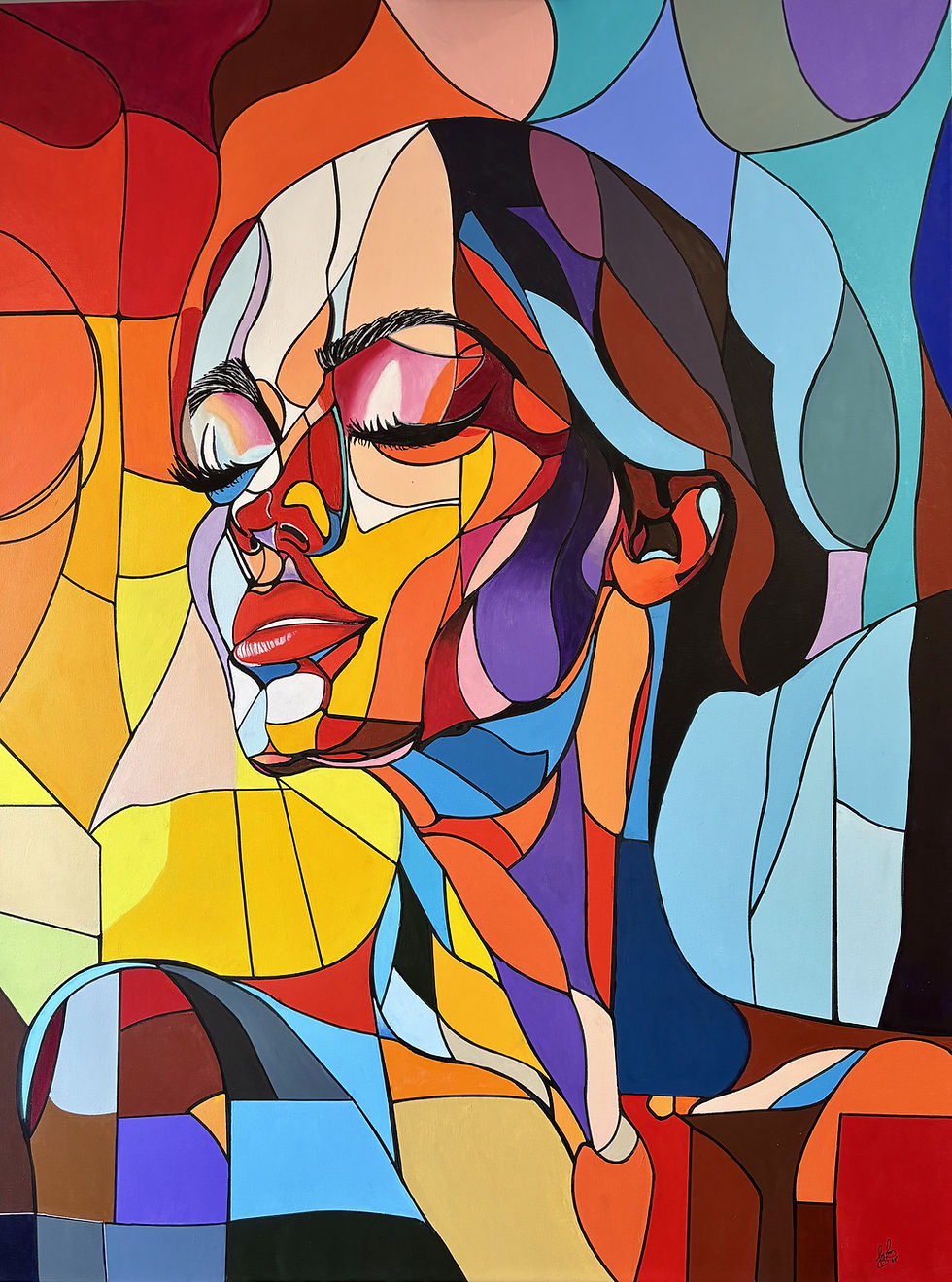
Abstract portraits are artworks that depict a person’s likeness without aiming for photographic accuracy. Instead of focusing on exact facial features, these portraits use shapes, colors, lines, and forms to convey the essence or mood of the subject. The goal is to evoke feelings or thoughts rather than provide a literal image.
Unlike traditional portraits that emphasize detail and realism, abstract portraits often distort or simplify features. This approach allows artists to explore identity, emotion, and perception in ways that go beyond surface appearances.

The Origins and Evolution of Abstract Portraiture
Abstract portraiture emerged in the early 20th century alongside movements like Cubism, Expressionism, and Surrealism. Artists such as Pablo Picasso and Amedeo Modigliani began breaking away from realistic depictions to explore new ways of representing the human form.
Cubism fragmented faces into geometric shapes, showing multiple perspectives at once.
Expressionism used bold colors and exaggerated forms to express emotional states.
Surrealism introduced dreamlike and symbolic elements into portraits.
These movements laid the foundation for abstract portraiture by challenging traditional ideas about representation and encouraging artists to experiment with form and meaning.
Key Characteristics of Abstract Portraits
Abstract portraits share several features that distinguish them from traditional portraits:
Simplified or distorted features: Faces may be broken into shapes or exaggerated.
Use of color: Colors often carry emotional or symbolic weight rather than realistic tones.
Focus on mood or concept: The portrait aims to communicate feelings, personality, or ideas.
Non-literal representation: The subject may be recognizable but not depicted realistically.
Experimentation with materials and techniques: Artists may use mixed media, collage, or unconventional tools.
These elements give abstract portraits a unique ability to express complex human experiences in visual form.

Why Artists Choose Abstract Portraits
Artists turn to abstract portraits for several reasons:
Freedom of expression: Abstract art allows artists to break free from the constraints of realism and explore personal or cultural themes.
Emotional depth: By focusing on mood and feeling, abstract portraits can communicate complex emotions more powerfully.
Exploration of identity: Abstract portraits can challenge traditional ideas about identity, gender, and personality.
Engagement with viewers: These portraits invite viewers to interpret and connect with the artwork in their own way.
For example, the work of Francis Bacon often shows distorted faces that reveal inner turmoil, while artists like Jean-Michel Basquiat use abstract portraiture to explore cultural identity and social issues.
How to Interpret Abstract Portraits
Interpreting abstract portraits requires a different approach than viewing realistic portraits. Here are some tips:
Look beyond the face: Focus on colors, shapes, and composition to understand the mood or message.
Consider the artist’s style: Knowing the artist’s background and influences can provide insight.
Think about symbolism: Colors and forms may represent ideas or emotions.
Allow personal connection: Abstract art often invites viewers to bring their own experiences into the interpretation.
For instance, a portrait with sharp angles and dark colors might suggest tension or conflict, while soft curves and warm tones could evoke calm or intimacy.
Examples of Famous Abstract Portraits
Several well-known artists have created powerful abstract portraits that illustrate the form’s potential:
Pablo Picasso’s “Weeping Woman” uses fragmented shapes and vivid colors to express grief.
Amedeo Modigliani’s elongated faces simplify features to create a sense of elegance and mystery.
Frida Kahlo’s self-portraits blend realism with symbolism and abstraction to explore pain and identity.
Kehinde Wiley’s portraits combine traditional portraiture with abstract patterns to challenge cultural narratives.
These examples show how abstract portraits can communicate complex stories and emotions through innovative visual language.

Amedeo Modigliani "Seated Jeanne Hebuternet"
Creating Your Own Abstract Portrait
If you want to try making an abstract portrait, here are some practical steps:
Start with a basic sketch: Outline the face or figure, but don’t worry about details.
Experiment with shapes: Break the face into geometric or organic forms.
Choose colors thoughtfully: Use colors that reflect the mood or personality you want to convey.
Play with texture and materials: Try layering paint, using collage, or adding unusual elements.
Focus on emotion: Let your feelings guide the composition rather than aiming for accuracy.
This process encourages creativity and personal expression, making abstract portraiture accessible to artists of all levels.
The Role of Abstract Portraits in Modern Art
Abstract portraits continue to influence contemporary art by pushing boundaries and expanding how we understand identity and representation. They challenge viewers to see beyond appearances and engage with the deeper human experience.
In galleries and museums, abstract portraits often spark conversation and invite diverse interpretations. They also inspire new generations of artists to explore innovative techniques and themes.

$50
Product Title
Product Details goes here with the simple product description and more information can be seen by clicking the see more button. Product Details goes here with the simple product description and more information can be seen by clicking the see more button

$50
Product Title
Product Details goes here with the simple product description and more information can be seen by clicking the see more button. Product Details goes here with the simple product description and more information can be seen by clicking the see more button.
$50
Product Title
Product Details goes here with the simple product description and more information can be seen by clicking the see more button. Product Details goes here with the simple product description and more information can be seen by clicking the see more button.


Comments