


Blending Realism and Abstraction in Figurative Portraits

Creating art that balances realism and abstraction is a fascinating challenge. Realistic yet abstract portraits combine the recognizable features of a subject with imaginative, expressive elements. This blend invites viewers to engage with the artwork on multiple levels, appreciating both the lifelike details and the creative distortions. In this post, we will explore how artists achieve this balance, practical techniques to try, and why this style resonates so deeply.
Understanding Realistic Yet Abstract Portraits
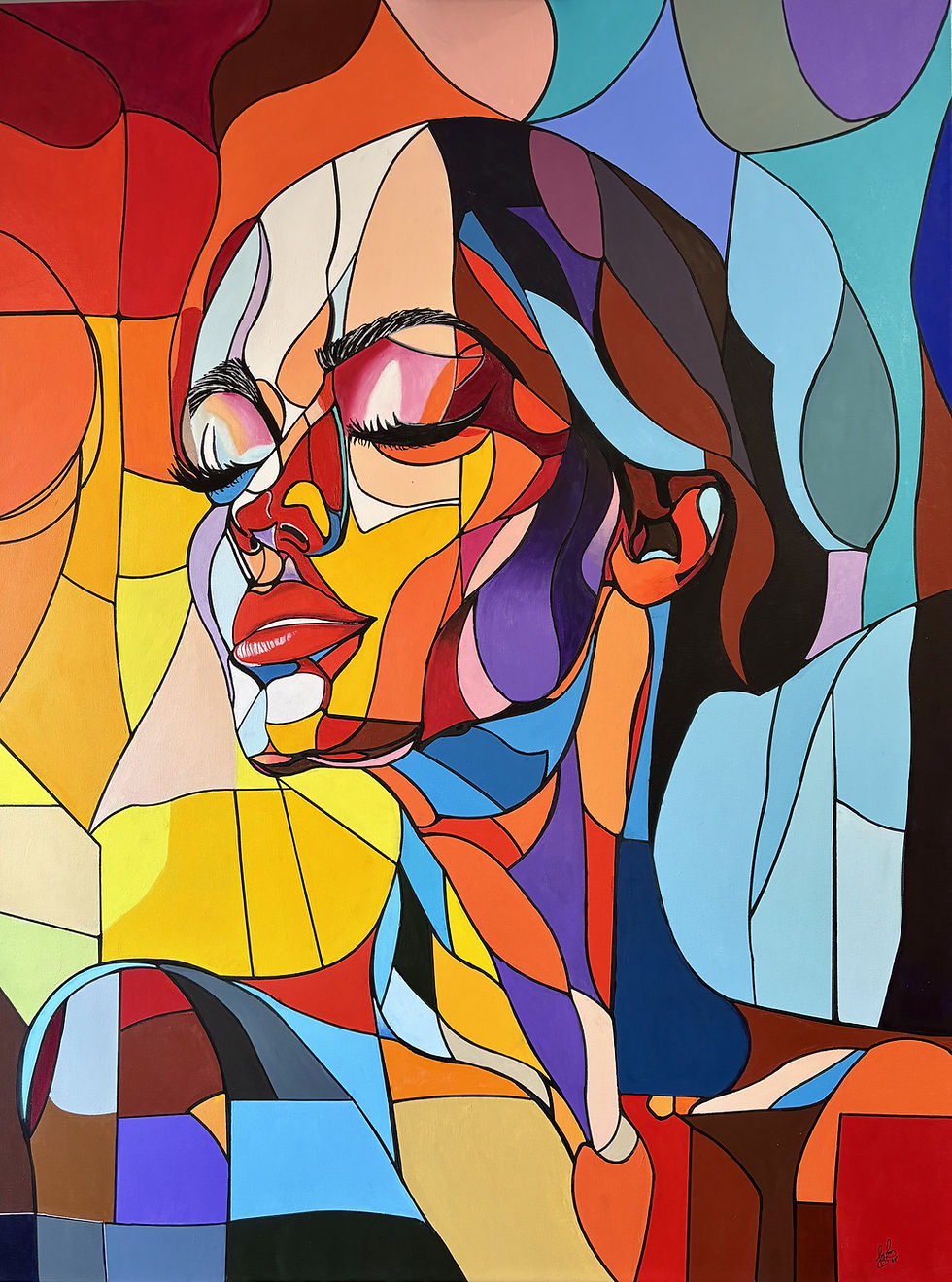
Realistic yet abstract portraits are artworks where the subject’s likeness is clear but enhanced or altered through abstract forms, colors, or textures. This style allows artists to convey emotions, ideas, or moods beyond what a purely realistic portrait might express.
For example, an artist might paint a face with accurate proportions but use bold, unexpected colors or fragmented shapes to suggest inner turmoil or joy. The contrast between the familiar and the abstract creates a dynamic tension that draws the viewer in.
Key Characteristics:
Clear facial features combined with abstract elements
Use of color and texture to evoke emotion
Distorted or exaggerated shapes that maintain recognizability
A balance between detail and suggestion
This approach can be seen in many contemporary artworks where the goal is not just to replicate a face but to tell a story or reveal something deeper about the subject.

Techniques for Creating Realistic Yet Abstract Portraits
Artists use various techniques to blend realism and abstraction effectively. Here are some practical methods to experiment with:
1. Start with a Realistic Base
Begin by sketching or painting a detailed portrait. Focus on accurate proportions, shadows, and highlights. This foundation anchors the artwork in reality.
2. Introduce Abstract Elements
Once the base is complete, add abstract features such as:
Geometric shapes overlapping the face
Unnatural color palettes (e.g., blues, reds, or greens in skin tones)
Textured brush strokes or splatters
Fragmented or blurred areas
3. Play with Composition
Use asymmetry or unexpected cropping to create visual interest. For example, only part of the face might be detailed, while the rest fades into abstraction.
4. Experiment with Mixed Media
Combine traditional painting with collage, digital manipulation, or ink splashes. Mixed media can enhance the abstract feel while maintaining realistic elements.
5. Use Contrast to Your Advantage
Contrast between smooth, realistic areas and rough, abstract textures can highlight the dual nature of the portrait.
6. Focus on Emotion
Let the abstract parts express feelings or concepts that realism alone cannot. This emotional layer adds depth and meaning.
By combining these techniques, artists can create portraits that are both visually striking and emotionally resonant.
The Role of Color and Texture in Realistic Yet Abstract Portraits
Color and texture are powerful tools in blending realism with abstraction. They can transform a straightforward portrait into a compelling piece of art.
Color Choices
Bold, unexpected colors can symbolize emotions or personality traits.
Monochromatic schemes with one accent color can create mood.
Contrasting colors highlight specific features or abstract elements.
Texture Applications
Thick, impasto brush strokes add physical depth.
Smooth gradients contrast with rough, jagged textures.
Layering different materials creates tactile interest.
For instance, an artist might paint a realistic eye with smooth shading but surround it with rough, chaotic brushwork in vibrant colors. This contrast draws attention and suggests complexity beneath the surface.

How to Appreciate and Interpret Realistic Yet Abstract Portraits
Understanding this art form enhances the viewing experience. Here are some tips for appreciating these portraits:
Look Beyond the Surface
Notice how the abstract elements interact with the realistic parts. What emotions or ideas do they suggest?
Consider the Artist’s Intent
Many artists use abstraction to express what cannot be captured by realism alone. Think about what the distortions or colors might represent.
Engage Emotionally
Allow yourself to feel the mood conveyed by the portrait. Abstract features often evoke subconscious responses.
Explore Different Perspectives
View the portrait from various distances. Up close, you might see detailed brushwork; from afar, the abstract shapes may form new patterns.
Learn About the Subject
If possible, understand who the subject is and how the artist’s choices reflect their personality or story.
By combining observation with emotional openness, you can unlock the rich layers of meaning in realistic yet abstract portraits.
Bringing Realistic Yet Abstract Portraits into Your Own Art Practice
If you want to try this style, here are some actionable recommendations:
Practice drawing realistic faces to build a strong foundation.
Experiment with color palettes outside natural skin tones.
Use different tools like palette knives, sponges, or digital brushes to create texture.
Incorporate mixed media such as paper, fabric, or ink.
Study artists who specialize in this style for inspiration.
Allow yourself to be playful and embrace imperfections.
Seek feedback from other artists or viewers to refine your approach.
Remember, the goal is not to perfectly replicate a face but to create a portrait that feels alive and expressive through the blend of realism and abstraction.
For those interested in exploring this further, the Figurative portrait style offers a rich source of inspiration and examples.
The Last Brushstroke: Embracing the Fusion of Realism and Abstraction
Blending realism and abstraction in portraits opens up endless creative possibilities. It challenges traditional boundaries and invites both artists and viewers to see beyond the surface. Whether you are creating or appreciating these works, the fusion of detailed likeness and imaginative expression offers a unique and powerful way to connect with human experience.
By mastering this balance, artists can produce portraits that are not only visually captivating but also deeply meaningful. The journey of exploring realistic yet abstract portraits is one of discovery, emotion, and artistic freedom.

$50
Product Title
Product Details goes here with the simple product description and more information can be seen by clicking the see more button. Product Details goes here with the simple product description and more information can be seen by clicking the see more button

$50
Product Title
Product Details goes here with the simple product description and more information can be seen by clicking the see more button. Product Details goes here with the simple product description and more information can be seen by clicking the see more button.
$50
Product Title
Product Details goes here with the simple product description and more information can be seen by clicking the see more button. Product Details goes here with the simple product description and more information can be seen by clicking the see more button.


Comments